- You have no items in your shopping cart
- Subtotal: $0.00

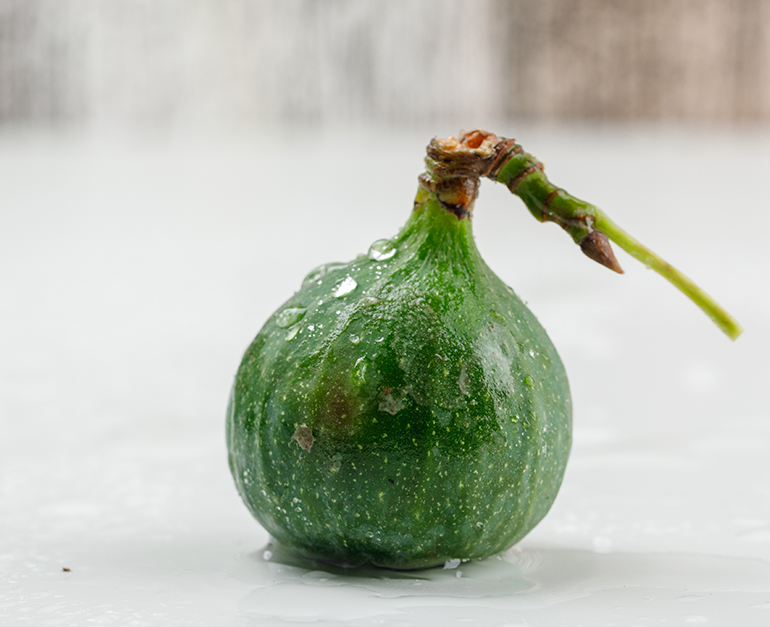
Fig
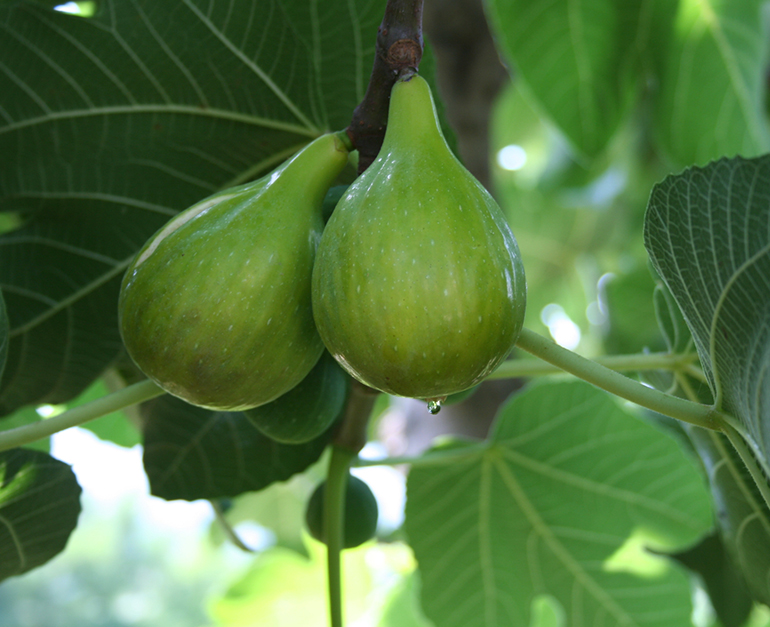
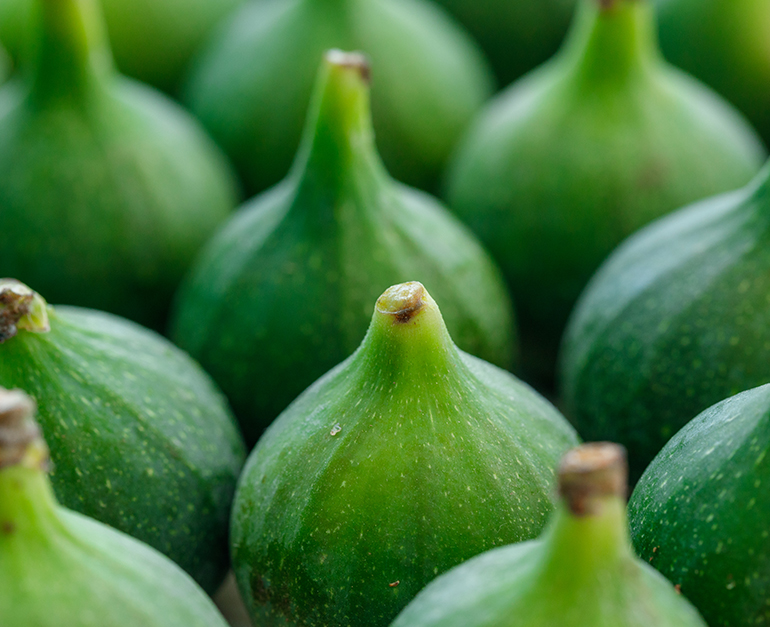
Fig (ficus) with its wide leaves and tropical tree appearance, more than 600 trees of its kind are being monitored. Some of them have favorite fruits, and the most beautiful ones grow in our country, while some of them are ornamental plants. Figs, which are widely grown as a cultivated plant in Aydın region, F.caria L.is. In addition, rubber trees of tropical regions are also of this class.
If you leave the fig tree to grow freely, it can grow up to 30 m tall. It is usually necessary to prune the tree to a normal size and bring paint that can harvest its product. the product of the tree pruned to 1.5-2 meters is not taken that year(the first product).
Fig flowers usually have one genus, one domesticated, rarely two domesticated. The flower tray is swollen and dimpled like a tray. The flowers are located on the inner surface of this. The male flower periphery has 2-6 parts. there are 1-2 and rarely 3-6 ethamines. The female flower usually has 5 parts. The main fruit is in the period. The flowers are not equal to each other. Figs do not like cold. The temperature should not drop below -10 degrees.
Having wide growing opportunities in many regions of our country, the region where figs are produced most intensively is the Great and Small Menderes basins of the Aegean Region. The cultivation of dried figs is more intensive here. Marmara, Mediterranean, Black Sea and Southeastern Anatolia regions are more suitable regions for table fig cultivation. However, there are also fig varieties in the Southeastern Anatolia region whose dried fig quality is very good, and the ecological conditions are quite suitable for this cultivation. Figs, which are a fruit that contain high calories and are very rich in calcium, potassium and vitamins, are also a very important fruit in terms of nutrition.